Arab–Byzantine wars: Led by Ibrahim II of Ifriqiya, Aghlabid forces captured the Byzantine stronghold of Taormina, concluding the Muslim conquest of Sicily.
Arab–Byzantine wars
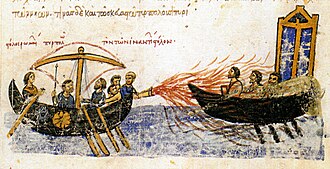
The Arab–Byzantine wars or Muslim–Byzantine wars were a series of wars from the 7th to 11th centuries between multiple Arab dynasties and the Byzantine Empire. The Muslim Arab Caliphates conquered large parts of the Christian Byzantine empire and unsuccessfully attacked the Byzantine capital of Constantinople. The frontier between the warring states remained almost static for three centuries of frequent warfare, before the Byzantines were able to recapture some of the lost territory.
Ibrahim II of Ifriqiya
Abu Ishaq Ibrahim II ibn Ahmad was the Emir of Ifriqiya. He ruled from 875 until his abdication in 902. After the demise of his brother, Ibrahim was endorsed as emir where he took steps to improve safety in his domain and secured the development of commercial activities. He improved public works, such as building a vast reservoir, erecting walls as well as the development of mosques and his Raqqada palace.
Aghlabid dynasty
The Aghlabid dynasty was an Arab dynasty centered in Ifriqiya from 800 to 909 that conquered parts of Sicily, Southern Italy, and possibly Sardinia, nominally as vassals of the Abbasid Caliphate. The Aghlabids were from the tribe of Banu Tamim and adhered to the Mu'tazilite rationalist doctrine within Hanafi Sunni Islam, which they imposed as the state doctrine of Ifriqiya. They ruled until 909 when they were conquered by the new power of the Fatimids.
Byzantine Empire
The Byzantine Empire, also known as the Eastern Roman Empire, was the continuation of the Roman Empire centred on Constantinople during late antiquity and the Middle Ages. Having survived the events that caused the fall of the Western Roman Empire in the 5th century AD, it endured until the fall of Constantinople to the Ottoman Empire in 1453. The term 'Byzantine Empire' was coined only after its demise; its citizens used the term 'Roman Empire' and called themselves 'Romans'.