James I the Conqueror, King of Aragon, enters Medina Mayurqa (now known as Palma de Mallorca, Spain), thus consummating the Christian reconquest of the island of Mallorca.
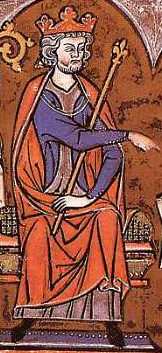
James I of Aragon
James I the Conqueror was King of Aragon, Count of Barcelona, and Lord of Montpellier from 1213 to 1276; King of Majorca from 1231 to 1276; and King of Valencia from 1238 to 1276. His long reign of 62 years is not only the longest of any Iberian monarch, but one of the longest monarchical reigns in history, ahead of Hirohito but remaining behind Queen Elizabeth II, Queen Victoria, and Ferdinand I of the Two Sicilies.
List of Aragonese monarchs
This is a list of the kings and queens of Aragon. The Kingdom of Aragon was created sometime between 950 and 1035 when the County of Aragon, which had been acquired by the Kingdom of Navarre in the tenth century, was separated from Navarre in accordance with the will of King Sancho III (1004–35). In 1164, the marriage of the Aragonese princess Petronila and the Catalan count Ramon Berenguer IV created a dynastic union from which what modern historians call the Crown of Aragon was born. In the thirteenth century the kingdoms of Valencia, Majorca and Sicily were added to the Crown, and in the fourteenth the Kingdom of Sardinia and Corsica. The Crown of Aragon continued to exist until 1713 when its separate constitutional systems were abolished by the Nueva Planta decrees at the end of the War of the Spanish Succession.
Palma de Mallorca
Palma, also known as Palma de Mallorca, is the capital and largest city of the autonomous community of the Balearic Islands in Spain. It is situated on the south coast of Mallorca on the Bay of Palma. The Cabrera Archipelago, though widely separated from Palma proper, is administratively considered part of the municipality.
Conquest of Majorca
The conquest of the island of Majorca on behalf of the Roman Catholic kingdoms was carried out by King James I of Aragon between 1229 and 1231. The pact to carry out the invasion, concluded between James I and the ecclesiastical and secular leaders, was ratified in Tarragona on 28 August 1229. It was open and promised conditions of parity for all who wished to participate.