Greece adopts the Euro, becoming the 12th Eurozone country.
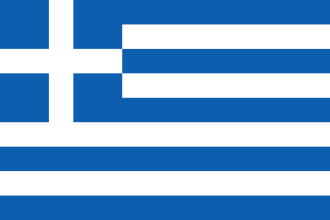
Discover Greece: The Heart of Southeast Europe
Greece, officially known as the Hellenic Republic, is a captivating country located in Southeast Europe. Nestled on the southern tip of the Balkan Peninsula, Greece boasts a unique geographic position that connects it to a rich cultural and historical tapestry. It shares its land borders with Albania to the northwest, North Macedonia and Bulgaria to the north, and Turkey to the east, making it a vibrant crossroads of civilizations.
Geography and Natural Beauty
Surrounded by the crystal-clear waters of the Aegean Sea to the east, the Ionian Sea to the west, and the Sea of Crete and the broader Mediterranean Sea to the south, Greece is famous for its stunning coastal landscapes. It has the longest coastline in the entire Mediterranean Basin, featuring thousands of islands—each with its own charm and character. These islands are grouped into nine traditional geographic regions, including the Cyclades, the Dodecanese, the Ionian Islands, and the Sporades, offering endless opportunities for exploration and adventure.
Population and Major Cities
Home to over 10 million people, Greece combines modern urban life with rich traditions and warm hospitality. Athens, the capital city and largest metropolis, is a bustling hub of history, culture, and innovation. It is renowned for iconic landmarks such as the Acropolis and the Parthenon, which stand as timeless symbols of ancient Greek civilization. Thessaloniki, Greece’s second-largest city, offers a dynamic blend of history, vibrant nightlife, and culinary delights. Patras, another major city, serves as a gateway to the western Peloponnese and is known for its lively carnival celebrations.
Rich History and Cultural Heritage
Greece is widely recognized as the cradle of Western civilization. It is the birthplace of democracy, philosophy, the Olympic Games, and foundational scientific thought. Greek mythology and ancient ruins attract millions of tourists and scholars annually, eager to experience the land where legends like Socrates, Plato, and Aristotle once walked. Beyond antiquity, Greece’s Byzantine churches, Ottoman influences, and vibrant folk traditions add layers of cultural depth that continue to shape its identity today.
Tourism and Modern Attractions
Tourism plays a vital role in Greece’s economy, drawing visitors from around the world to its beaches, archaeological sites, and scenic villages. The Greek islands such as Santorini, Mykonos, and Crete are famous for their breathtaking sunsets, whitewashed buildings, and lively atmospheres. Visitors can indulge in authentic Greek cuisine, featuring fresh seafood, olives, feta cheese, and local wines that reflect the country’s Mediterranean heritage.
Conclusion
Whether you’re fascinated by ancient history, enchanted by natural beauty, or eager to experience warm Mediterranean hospitality, Greece offers an unforgettable journey. Its blend of old and new, land and sea, tradition and modernity makes it a destination that truly captures the heart and imagination of every traveler.
The Euro: The Official Currency of the Eurozone
The euro is the official currency used by 20 of the 27 member states of the European Union, collectively known as the euro area or more commonly, the eurozone. This currency plays a crucial role in facilitating trade, travel, and economic stability across these nations. The euro is subdivided into 100 smaller units called euro cents, making it easy to handle transactions of all sizes.
Why the Euro Matters
The adoption of the euro has significantly simplified cross-border commerce within the eurozone by eliminating the need for currency exchange between member countries. This fosters economic integration and strengthens the single market, allowing businesses and consumers to benefit from lower transaction costs and increased price transparency.
Moreover, the euro serves as one of the world’s leading reserve currencies, reflecting the economic power and stability of the eurozone. It is widely used in international trade and finance, making it a key player in the global economy.
Economic Impact and Benefits
Using a common currency like the euro helps reduce exchange rate risks and uncertainties, encouraging investment and economic growth within the member states. It also enhances price stability and monetary policy coordination, as the European Central Bank (ECB) manages the euro’s monetary policy for all eurozone countries.
For travelers, the euro simplifies trips across multiple countries by removing the hassle of exchanging money at borders. Tourists and business travelers alike enjoy the convenience of using a single currency throughout much of Europe.
Challenges and Considerations
While the euro brings many benefits, it also presents challenges. Member states share a common monetary policy but maintain independent fiscal policies, which can sometimes lead to economic imbalances. Additionally, countries outside the eurozone but within the EU continue to use their national currencies, which can complicate trade and travel in those regions.
The Future of the Euro
The eurozone continues to evolve, with ongoing discussions about expanding membership and deepening economic integration. As the euro remains central to European unity and economic cooperation, understanding its role and impact is essential for businesses, travelers, and policymakers alike.
In summary, the euro is more than just a currency; it is a symbol of European integration and cooperation, facilitating economic growth and stability across a diverse group of nations.
Understanding the Eurozone: Europe's Unified Currency Area
The euro area, widely known as the eurozone (EZ), represents a unique and powerful currency union within Europe. It consists of 20 member states of the European Union (EU) that have adopted the euro (€) as their primary currency and sole legal tender. This adoption signifies a deep level of economic integration, as these countries have fully implemented the Economic and Monetary Union (EMU) policies designed to harmonize their monetary systems.
What Makes the Eurozone Special?
Unlike a simple trade agreement or economic partnership, the eurozone is a monetary union where member countries share a single currency. This means that the euro is used for everyday transactions, savings, and investments across all member states, eliminating the need for currency exchange within the zone. This fosters easier trade, travel, and financial stability among the members.
The eurozone's creation aimed to promote economic stability, reduce exchange rate risks, and enhance the global competitiveness of its members. By sharing a currency, these countries benefit from lower transaction costs and increased price transparency, which encourages cross-border commerce and investment.
Economic and Political Implications
Adopting the euro also means that member states coordinate their fiscal and monetary policies to some extent, under the guidance of the European Central Bank (ECB). The ECB manages the eurozone’s monetary policy, including setting interest rates and controlling inflation, to maintain price stability across the region.
However, this shared currency also requires member countries to adhere to strict fiscal rules to ensure economic discipline and prevent excessive deficits. This balance between national sovereignty and collective responsibility is a defining feature of the eurozone’s governance.
The Eurozone in the Global Economy
As one of the largest economic blocs in the world, the eurozone plays a critical role in global finance and trade. The euro is the second most traded currency globally after the US dollar, reflecting the eurozone’s economic weight and influence.
The eurozone’s stability and policies impact global markets, international investments, and geopolitical relations. Its success or challenges often serve as a barometer for the broader European Union’s economic health and integration efforts.
Looking Ahead: The Future of the Eurozone
The eurozone continues to evolve, with ongoing discussions about expanding membership, deepening fiscal integration, and enhancing economic governance. These efforts aim to strengthen the union’s resilience against economic shocks and ensure sustainable growth for all member states.
In summary, the eurozone is more than just a shared currency area; it is a symbol of European unity and cooperation, driving economic integration and stability across a diverse group of nations.
January 1: The Start of a New Year and Its Significance
January 1 marks the very first day of the calendar year in the widely used Gregorian calendar. On this day, 364 days remain until the year concludes, symbolizing a fresh start and new opportunities. Commonly known as New Year's Day, January 1 is celebrated worldwide as the official beginning of the year.
This day holds deep cultural and historical significance across many societies. It is often associated with new beginnings, resolutions, and celebrations that bring people together to reflect on the past year and look forward to the future. Traditions vary globally, but the common theme is renewal and hope.
The Historical and Cultural Importance of January 1
The choice of January 1 as the start of the year dates back to Roman times when the Julian calendar was introduced by Julius Caesar in 45 BCE. The month of January was named after Janus, the Roman god of doors and gates, symbolizing transitions and beginnings. This symbolism perfectly fits the idea of starting a new year.
Over centuries, January 1 has become a day marked by festivities, fireworks, and various customs such as making New Year's resolutions—promises to improve oneself or achieve specific goals in the coming year. These resolutions reflect a universal desire for growth and positive change.
Why January 1 Matters in Modern Times
In today’s world, January 1 is more than just a date on the calendar. It represents a psychological reset for many people, a chance to set new goals, adopt healthier habits, or embark on new projects. Businesses and governments also use this date as a marker for fiscal years, policy changes, and planning cycles.
The global recognition of January 1 as New Year's Day makes it a unifying moment, transcending cultures and borders. It’s a time when people pause to celebrate life, family, and the promise of what lies ahead.
Fun Facts About January 1
- It is the only day of the year that is a public holiday in almost every country. - Many cultures have unique foods and rituals believed to bring luck and prosperity on this day. - The first sunrise of the year is often watched with special ceremonies or gatherings.
Conclusion
January 1 is much more than just the first day of the year. It is a powerful symbol of renewal, hope, and the endless possibilities that come with a fresh start. Whether through ancient traditions or modern celebrations, this day continues to inspire millions around the world to embrace change and look forward to a brighter future.
Related Wikipedia articles
Greece
Country in Southeast Europe
Greece, officially the Hellenic Republic, is a country in Southeast Europe. Located on the southern tip of the Balkan peninsula, it shares land borders with Albania to the northwest, North Macedonia and Bulgaria to the north, and Turkey to the east. The Aegean Sea lies to the…Source: Wikipedia (CC BY-SA)
Euro
Currency of the European Union
The euro is the official currency of 20 of the 27 member states of the European Union. This group of states is officially known as the euro area or, more commonly, the eurozone. The euro is divided into 100 euro cents.Source: Wikipedia (CC BY-SA)
Eurozone
Area in which the euro is the official currency
The euro area, commonly called the eurozone (EZ), is a currency union of 20 member states of the European Union (EU) that have adopted the euro (€) as their primary currency and sole legal tender, and have thus fully implemented EMU policies.Source: Wikipedia (CC BY-SA)
January 1
Day of the year
January 1 is the first day of the calendar year in the Gregorian Calendar; 364 days remain until the end of the year. This day is also known as New Year's Day since the day marks the beginning of the year.Source: Wikipedia (CC BY-SA)