Greece is admitted into the European Community.
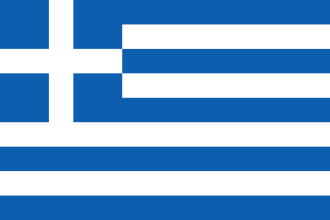
Discover Greece: The Jewel of Southeast Europe
Greece, officially known as the Hellenic Republic, is a captivating country nestled in Southeast Europe. Positioned at the southern tip of the Balkan Peninsula, Greece is a land of remarkable geography and rich history. It shares its northern and northwestern borders with Albania, North Macedonia, and Bulgaria, while Turkey lies to the east. Surrounding Greece are some of the most beautiful and historically significant bodies of water: the Aegean Sea to the east, the Ionian Sea to the west, and to the south, the Sea of Crete and the expansive Mediterranean Sea.
Boasting the longest coastline in the entire Mediterranean Basin, Greece is famed for its thousands of islands, each offering unique landscapes, cultures, and experiences. The country is traditionally divided into nine geographic regions, including mainland territories and island groups like the Cyclades, Dodecanese, and the Ionian Islands.
With a population exceeding 10 million people, Greece is a vibrant nation where ancient history meets modern life. Athens, the capital and largest city, is a bustling metropolis rich in archaeological treasures such as the Acropolis and Parthenon, attracting millions of visitors annually. Thessaloniki, Greece’s second-largest city, is known for its lively cultural scene and Byzantine architecture, while Patras serves as a vital port and gateway to the western Peloponnese.
Beyond its geography and cities, Greece is renowned for its profound contributions to Western civilization, particularly in philosophy, democracy, art, and literature. The country's diverse landscapes range from rugged mountains and lush valleys to sun-drenched beaches, making it a top destination for travelers seeking both adventure and relaxation.
Whether you are fascinated by ancient ruins, eager to explore picturesque islands, or simply want to enjoy delicious Mediterranean cuisine and warm hospitality, Greece offers an unforgettable experience that blends history, nature, and culture seamlessly.
January 1: The Start of a New Year
January 1 marks the very first day of the calendar year in the widely used Gregorian calendar. It is a significant date celebrated globally as **New Year's Day**, symbolizing fresh beginnings and new opportunities. On this day, exactly 364 days remain until the year concludes, making it a pivotal moment for reflection on the past year and setting goals for the year ahead.
The Significance of New Year's Day
New Year's Day is more than just a date on the calendar; it carries deep cultural, social, and historical importance. Around the world, people celebrate with various traditions such as fireworks, countdowns, parties, and resolutions. These customs emphasize hope, renewal, and the chance to start anew. Many cultures also observe religious or spiritual ceremonies to mark this transition.
Why January 1? The History Behind the Date
The choice of January 1 as the start of the year dates back to ancient Rome. The month of January is named after Janus, the Roman god of doors and beginnings, who looks both backward and forward. The Gregorian calendar, introduced by Pope Gregory XIII in 1582, standardized January 1 as the official start of the year to align the calendar more accurately with the solar year.
How People Celebrate Around the World
New Year's Day celebrations vary widely but often include fireworks displays, parades, and family gatherings. In some countries, special foods are eaten for luck and prosperity, such as black-eyed peas in the southern United States or soba noodles in Japan. Many also use this day to make **New Year's resolutions**, personal commitments to improve habits or achieve goals.
SEO Tips for Content About January 1 and New Year's Day
When creating content about January 1 or New Year's Day, it’s important to use clear and descriptive headings like these to improve readability and SEO. Using header tags such as `
` helps search engines understand the structure and main topics of your content, boosting your chances of ranking higher in search results. Incorporate relevant keywords naturally, such as "New Year's Day," "January 1," "start of the year," and "New Year's traditions," to attract users searching for information on this topic.
Conclusion
January 1 is a universally recognized day that marks the beginning of a new calendar year. It is celebrated with joy, reflection, and hope across cultures worldwide. Whether you observe it with quiet contemplation or lively festivities, this day offers a unique opportunity to embrace new possibilities and set the tone for the year ahead.
Related Wikipedia articles
Greece
Country in Southeast Europe
Greece, officially the Hellenic Republic, is a country in Southeast Europe. Located on the southern tip of the Balkan peninsula, it shares land borders with Albania to the northwest, North Macedonia and Bulgaria to the north, and Turkey to the east. The Aegean Sea lies to the…Source: Wikipedia (CC BY-SA)
January 1
Day of the year
January 1 is the first day of the calendar year in the Gregorian Calendar; 364 days remain until the end of the year. This day is also known as New Year's Day since the day marks the beginning of the year.Source: Wikipedia (CC BY-SA)