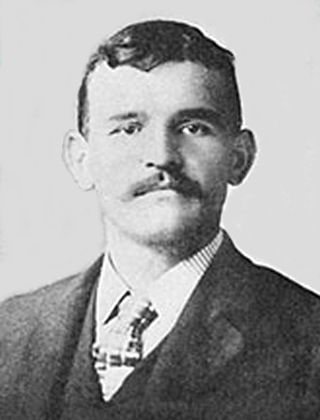
Gustave Whitehead, German-American pilot and engineer (died 1927)
Historical Background
Throughout history, people have sought to measure time in a systematic manner. One of the most widely used calendars today is the Gregorian Calendar, introduced by Pope Gregory XIII in October 1582. This calendar refined the Julian Calendar, which had been in use for over a millennium.
The Event
January 1, as we know it today, marks the first day of the new year according to the Gregorian Calendar. It's a day filled with anticipation, resolutions, and festivities worldwide. The transition from December 31 to January 1 symbolizes a fresh start, a clean slate.
Why This Moment Mattered
The adoption of the Gregorian Calendar was significant because it corrected several errors accumulated over centuries in the Julian Calendar. These corrections, such as the alignment with the solar year, ensured that holidays and religious observances would more accurately coincide with their intended seasonal occurrences.
Lasting Impact
January 1 has become a global celebration of new beginnings. It's a time for reflection, renewal, and setting ambitious goals for the year ahead. The importance of this day lies not only in its symbolic value but also in the unity it brings as people around the world collectively embrace the promise of a new year.
Related Wikipedia articles
Gustave Whitehead
19/20th-century German-American aviator
Gustave Albin Whitehead was a German–American aviation pioneer. Between 1897 and 1915, he designed and built gliders, flying machines, and engines. Controversy surrounds published accounts and Whitehead's own claims that he flew a powered machine successfully several times in…Source: Wikipedia (CC BY-SA)
January 1
Day of the year
January 1 is the first day of the calendar year in the Gregorian Calendar; 364 days remain until the end of the year. This day is also known as New Year's Day since the day marks the beginning of the year.Source: Wikipedia (CC BY-SA)