New Mexican oil legislation goes into effect, leading to the formal outbreak of the Cristero War.
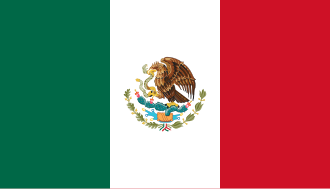
Discover Mexico: A Vibrant Nation with Rich History and Diverse Culture
Mexico, officially known as the United Mexican States, is a captivating country located in North America. As the northernmost nation in Latin America, Mexico shares its borders with the United States to the north and Guatemala and Belize to the southeast. It also boasts extensive coastlines, touching the Pacific Ocean to the west, the Caribbean Sea to the southeast, and the Gulf of Mexico to the east.
Spanning an impressive 1,972,550 square kilometers, Mexico is the thirteenth-largest country in the world by land area. Its vast and varied geography includes deserts, lush rainforests, mountain ranges, and stunning beaches, making it a land of incredible natural beauty and ecological diversity.
With a population exceeding 130 million people, Mexico is the tenth-most populous country globally and proudly hosts the largest number of native Spanish speakers in the world. The country’s rich cultural heritage is a blend of indigenous traditions and Spanish colonial influences, reflected in its music, cuisine, art, and festivals.
Mexico City, the nation’s bustling capital and largest metropolis, is one of the most populous urban areas worldwide. It serves as the cultural, political, and economic heart of the country, offering visitors and residents alike a vibrant mix of historic landmarks, modern infrastructure, and dynamic nightlife.
Beyond its cities, Mexico is renowned for its archaeological sites, including the ancient wonders of Teotihuacan, Chichen Itza, and Palenque, which attract millions of tourists every year. The country’s culinary scene is equally famous, with traditional dishes like tacos, mole, and tamales celebrated worldwide.
Mexico’s economy is one of the largest in Latin America, driven by diverse sectors such as manufacturing, oil production, tourism, and agriculture. Its strategic geographic location also makes it a critical player in global trade.
In summary, Mexico is a land of contrasts and vitality — from its bustling urban centers to its serene natural landscapes, it offers a unique and enriching experience for anyone eager to explore its depths.
The Cristero War: A Defining Struggle in Mexico’s History
The Cristero War, also known as the Cristero Rebellion or *La Cristiada*, was a significant and widespread conflict that took place in central and western Mexico from **August 3, 1926, to June 21, 1929**. This intense struggle arose as a direct response to the Mexican government's enforcement of secularist and anticlerical provisions embedded in the 1917 Constitution. At the heart of the conflict was the Mexican President Plutarco Elías Calles’ executive decree, known as the **Calles Law**, which aimed to strictly enforce Article 130 of the Constitution. This article severely restricted the Catholic Church’s influence, its affiliated organizations, and sought to suppress popular religious practices.
Background and Causes of the Cristero War
Following the Mexican Revolution, the 1917 Constitution introduced radical reforms to reduce the power of the Catholic Church, which had historically been a dominant force in Mexican society. Article 130 specifically targeted the Church’s role in public life, limiting its ability to own property, restricting clergy rights, and banning religious education. However, it was the Calles Law, enacted in 1926, that aggressively implemented these restrictions, igniting widespread outrage among devout Catholics.
President Calles’ government viewed the Church as a political threat and sought to secularize Mexico by curbing its influence. This crackdown included closing churches, expelling priests, and prohibiting public worship in many areas. For many Mexicans, religion was deeply intertwined with their identity and community life, so these measures were seen as an attack on their fundamental freedoms.
The Course of the Conflict
The Cristero War quickly escalated into a violent rebellion as thousands of Catholic peasants, known as **Cristeros**, took up arms to defend their faith and religious rights. The rebels were primarily rural farmers and local communities who organized guerrilla warfare against federal forces. The conflict was marked by brutal fighting, atrocities on both sides, and a deep social divide between secular government forces and religious communities.
Despite being outgunned and outnumbered, the Cristeros managed to sustain their resistance for nearly three years. The war devastated many regions, disrupting agriculture and local economies, and leaving a lasting scar on Mexican society.
Resolution and Legacy
The Cristero War ended in 1929 through a negotiated settlement brokered by the U.S. Ambassador Dwight Morrow. The government agreed to ease enforcement of the anticlerical laws, allowing the Church to resume some of its activities, while the Cristeros agreed to disarm. Although the conflict officially ended, tensions between the Church and state persisted for decades.
The Cristero War remains a powerful symbol of religious resistance and the struggle for freedom of conscience in Mexico. It highlights the complex relationship between church and state and the lengths to which people will go to defend their beliefs.
Why the Cristero War Matters Today
Understanding the Cristero War is essential for grasping Mexico’s modern history and the ongoing dialogue about religious freedom and secular governance. The war illustrates how deeply religion can influence culture and politics, and how government policies can provoke profound social upheaval when they clash with popular values.
Today, the Cristero War is remembered not only as a historical conflict but also as a testament to the resilience of faith communities under pressure. It serves as a reminder of the importance of balancing secular laws with respect for religious traditions in diverse societies.
January 1: The Start of a New Year and Its Significance
January 1 marks the very first day of the calendar year in the widely used Gregorian calendar. It is a day that holds great significance worldwide, as it symbolizes a fresh start and new beginnings. On this day, 364 days remain until the year concludes, making it a pivotal moment for reflection and goal-setting.
Known universally as New Year's Day, January 1 is celebrated with various traditions and festivities that emphasize hope, renewal, and the opportunity to embrace change. People often use this day to set resolutions, aiming to improve their lives in the coming year.
The Cultural and Historical Importance of January 1
The choice of January 1 as the start of the year dates back to Roman times when the calendar was reformed to honor Janus, the god of beginnings and transitions. Janus is depicted with two faces, looking both backward into the old year and forward into the new one, perfectly symbolizing the spirit of this day.
Across different cultures, New Year's Day is marked by unique customs—from fireworks and countdowns to special meals and religious ceremonies. These traditions serve to unite communities and families in celebration, fostering a sense of hope and optimism.
Why January 1 Matters for SEO and Content Strategy
When creating content about January 1 or New Year's Day, it’s important to optimize for search engines by using clear, descriptive headings and rich, engaging text. Using header tags like <h2> helps organize content for better readability and SEO performance. This structure allows search engines to understand the hierarchy and relevance of your content, improving your chances of ranking higher in search results.
Additionally, incorporating keywords related to New Year's Day celebrations, traditions, and resolutions can attract a wider audience interested in this globally significant date. Engaging content that connects emotionally with readers—such as stories about personal growth or cultural festivities—can boost user engagement and sharing.
Fun Facts and Tips for Celebrating January 1
- Many countries have unique New Year's Day foods believed to bring luck, such as black-eyed peas in the Southern United States or lentils in Italy. - Setting realistic and meaningful New Year's resolutions can increase the likelihood of success. - Reflecting on the past year’s achievements and challenges can provide valuable insights for personal growth. - Participating in community events or volunteering on January 1 can foster a sense of connection and purpose.
Conclusion
January 1 is much more than just the first day of the year—it is a powerful symbol of renewal, hope, and the endless possibilities that lie ahead. Whether you celebrate with grand festivities or quiet reflection, this day invites everyone to embrace change and look forward to a brighter future.
By crafting content that highlights the significance, traditions, and personal meaning of January 1, you can create a rich, engaging experience for readers while optimizing for search engines effectively.
Related Wikipedia articles
Mexico
Country in North America
Mexico, officially the United Mexican States, is a country in North America. It is the northernmost country in Latin America, and borders the United States to the north, and Guatemala and Belize to the southeast; while having maritime boundaries with the Pacific Ocean to the…Source: Wikipedia (CC BY-SA)
Cristero War
1926–1929 Mexican rebellion
The Cristero War, also known as the Cristero Rebellion or La cristiada, was a widespread struggle in central and western Mexico from 3 August 1926 to 21 June 1929 in response to the implementation of secularist and anticlerical articles of the 1917 Constitution. The rebellion…Source: Wikipedia (CC BY-SA)
January 1
Day of the year
January 1 is the first day of the calendar year in the Gregorian Calendar; 364 days remain until the end of the year. This day is also known as New Year's Day since the day marks the beginning of the year.Source: Wikipedia (CC BY-SA)