The North American Free Trade Agreement (NAFTA) comes into effect.
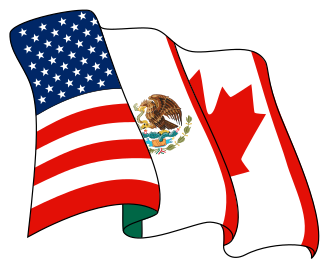
The North American Free Trade Agreement (NAFTA): A Cornerstone of North American Trade
The North American Free Trade Agreement, commonly known as **NAFTA**, was a landmark trade agreement signed by **Canada, Mexico, and the United States**. This trilateral pact created one of the largest and most influential trade blocs in the world, fundamentally reshaping economic relations across North America. NAFTA officially came into effect on **January 1, 1994**, replacing the earlier 1988 Canada–United States Free Trade Agreement and expanding the scope of trade liberalization to include Mexico alongside the U.S. and Canada.
Significance and Impact of NAFTA
NAFTA was designed to eliminate tariffs and reduce trade barriers between the three member countries, fostering increased economic integration and cross-border commerce. By creating a more seamless trading environment, NAFTA helped boost exports, create jobs, and lower costs for consumers and businesses alike. The agreement covered a wide range of sectors, including agriculture, manufacturing, and services, and introduced mechanisms for dispute resolution and intellectual property protection.
One of the key outcomes of NAFTA was the formation of a trade bloc with a combined **gross domestic product (GDP)** that ranked among the largest in the world. This economic powerhouse enabled member countries to compete more effectively on the global stage, attracting investment and encouraging innovation.
Evolution and Legacy
While NAFTA was a pioneering agreement in the 1990s, it was not without criticism. Some argued that it led to job losses in certain industries and contributed to wage stagnation in parts of the U.S. and Canada. Environmental and labor standards were also points of contention. These concerns eventually led to renegotiations.
In 2020, NAFTA was replaced by the **United States-Mexico-Canada Agreement (USMCA)**, which updated and modernized many provisions to better reflect the realities of 21st-century trade, including digital commerce and stronger labor protections. Despite this evolution, NAFTA’s legacy remains significant as the foundation of North American economic cooperation.
Why NAFTA Matters Today
Understanding NAFTA is crucial for grasping the economic dynamics of North America. It set the stage for deeper integration and cooperation, influencing trade policies and economic strategies for decades. Businesses, policymakers, and consumers continue to feel the effects of this agreement, which helped shape supply chains, investment flows, and market access across the continent.
In summary, NAFTA was more than just a trade deal—it was a transformative force that connected three diverse economies into a powerful economic bloc, fostering growth and collaboration that still resonates today.
January 1: The Start of a New Year
January 1 marks the very first day of the calendar year in the widely used Gregorian calendar. It is famously celebrated as New Year's Day, symbolizing a fresh start and new beginnings for people all around the world. On this day, 364 days remain until the year concludes, giving everyone a full year ahead to set goals, make resolutions, and embrace opportunities.
The Significance of New Year's Day
New Year's Day is more than just a date on the calendar—it carries deep cultural, social, and historical importance. Across many cultures, it is a time for reflection on the past year and anticipation for what lies ahead. Traditions often include fireworks, parties, and various rituals meant to bring luck, health, and prosperity in the coming year. This day also serves as a universal marker for timekeeping, business, and legal purposes worldwide.
Why January 1? The History Behind the Date
The choice of January 1 as the start of the year dates back to ancient Rome. The month of January is named after Janus, the Roman god of doors and beginnings, who looks both backward and forward. When Julius Caesar introduced the Julian calendar in 45 BCE, January 1 was established as the official start of the new year to align with the civil calendar and administrative cycles. Later, the Gregorian calendar, introduced in 1582 by Pope Gregory XIII, retained January 1 as New Year's Day, which is still followed globally today.
New Year's Day Around the World
While January 1 is the official start of the year in the Gregorian calendar, many cultures celebrate their own new year dates based on lunar or solar calendars. For example, the Chinese New Year, Rosh Hashanah in Judaism, and Nowruz in Persian culture all mark new beginnings but fall on different dates. However, January 1 remains a globally recognized day for renewal and celebration.
How to Make the Most of January 1
New Year's Day is an ideal time to set intentions and goals for personal growth. Many people use this day to create resolutions related to health, career, relationships, or hobbies. It’s also a perfect moment to spend quality time with loved ones, participate in community events, or simply enjoy a peaceful day of reflection.
SEO Tips for Content About January 1 and New Year's Day
When creating content about January 1 or New Year's Day, consider incorporating relevant keywords such as "New Year's Day traditions," "January 1 significance," "start of the year," and "New Year celebrations." Use clear headings like these
tags to improve readability and SEO performance. Engaging, informative content that connects emotionally with readers tends to perform well in search rankings.
---
January 1 is not just a date; it’s a symbol of hope, renewal, and the endless possibilities that a new year brings. Whether you celebrate with grand festivities or quiet reflection, this day invites everyone to embrace change and look forward to the future with optimism.
Related Wikipedia articles
North American Free Trade Agreement
Trade bloc in North America (1994–2020)
The North American Free Trade Agreement, referred to colloquially in the Anglosphere as NAFTA, was an agreement signed by Canada, Mexico, and the United States that created a trilateral trade bloc in North America. The agreement came into force on January 1, 1994, and superseded…Source: Wikipedia (CC BY-SA)
January 1
Day of the year
January 1 is the first day of the calendar year in the Gregorian Calendar; 364 days remain until the end of the year. This day is also known as New Year's Day since the day marks the beginning of the year.Source: Wikipedia (CC BY-SA)