Joseph N. Welch, special counsel for the United States Army, lashes out at Senator Joseph McCarthy during the Army–McCarthy hearings, giving McCarthy the famous rebuke, "You've done enough. Have you no sense of decency, sir, at long last? Have you left no sense of decency?"
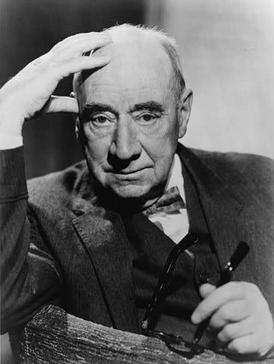
Joseph N. Welch
Joseph Nye Welch was an American lawyer who served as the chief counsel for the United States Army while it was under investigation for Communist activities by Senator Joseph McCarthy's Senate Permanent Subcommittee on Investigations, an investigation known as the Army–McCarthy hearings. His confrontation with McCarthy during the hearings, in which he asked McCarthy "Have you no sense of decency, sir, at long last?", is seen as a turning point in the history of McCarthyism.
Joseph McCarthy
Joseph Raymond McCarthy was an American politician who served as a Republican U.S. Senator from Wisconsin from 1947 until his death in 1957. Beginning in 1950, McCarthy became the most visible public face of a period in the United States in which Cold War tensions fueled fears of widespread communist subversion. He alleged that numerous communists and Soviet spies and sympathizers had infiltrated the United States federal government, universities, film industry, and elsewhere. Ultimately he was censured by the Senate in 1954 for refusing to cooperate with and abusing members of the committee established to investigate whether or not he should be censured. The term "McCarthyism", coined in 1950 in reference to McCarthy's practices, was soon applied to similar anti-communist activities. Today the term is used more broadly to mean demagogic, reckless, and unsubstantiated accusations, as well as public attacks on the character or patriotism of political opponents.
Army–McCarthy hearings
The Army–McCarthy hearings were a series of televised hearings held by the United States Senate's Subcommittee on Investigations to investigate conflicting accusations between the United States Army and U.S. senator Joseph McCarthy. The Army accused McCarthy and his chief counsel Roy Cohn of pressuring the Army to give preferential treatment to G. David Schine, a former McCarthy aide and friend of Cohn's. McCarthy counter-charged that this accusation was made in bad faith and in retaliation for his recent aggressive investigations of suspected communists and security risks in the Army.