Arab–Byzantine wars: The city of Syracuse was captured by the Aghlabids (pictured) as part of the Muslim conquest of Sicily.
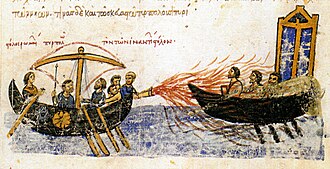
Arab–Byzantine wars
The Arab–Byzantine wars or Muslim–Byzantine wars were a series of wars from the 7th to 11th centuries between multiple Arab dynasties and the Byzantine Empire. The Muslim Arab Caliphates conquered large parts of the Christian Byzantine empire and unsuccessfully attacked the Byzantine capital of Constantinople. The frontier between the warring states remained almost static for three centuries of frequent warfare, before the Byzantines were able to recapture some of the lost territory.
Syracuse, Sicily
Syracuse is an historic city on the Italian island of Sicily and the capital of the province of Syracuse. It is notable for its rich Greek and Roman history, culture, and architecture, and as the birthplace and home of the preeminent mathematician and engineer Archimedes.
Siege of Syracuse (877–878)
The siege of Syracuse from 877 to 878 led to the fall of the city of Syracuse, the Byzantine capital of Sicily, to the Aghlabids. The siege lasted from August 877 to 21 May 878 when the city, effectively left without assistance by the central Byzantine government, was taken by the Aghlabid forces.
Aghlabid dynasty
The Aghlabid dynasty was an Arab dynasty centered in Ifriqiya from 800 to 909 that conquered parts of Sicily, Southern Italy, and possibly Sardinia, nominally as vassals of the Abbasid Caliphate. The Aghlabids were from the tribe of Banu Tamim and adhered to the Mu'tazilite rationalist doctrine within Hanafi Sunni Islam, which they imposed as the state doctrine of Ifriqiya. They ruled until 909 when they were conquered by the new power of the Fatimids.