Timurid monarch 'Abd al-Latif is assassinated.
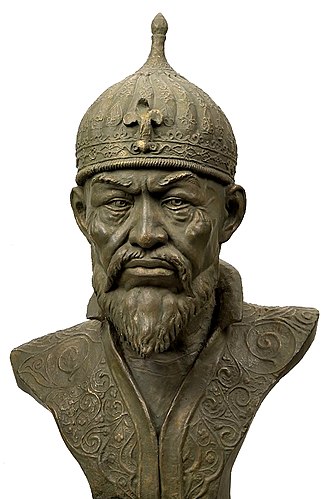
Timurid dynasty
The Timurid dynasty, self-designated as Gurkani, was the ruling dynasty of the Timurid Empire (1370–1507). It was a Sunni Muslim dynasty or Barlās clan of Turco-Mongol origin descended from the warlord Timur. The word "Gurkani" derives from "Gurkan", a Persianized form of the Mongolian word "Kuragan" meaning "son-in-law". This was an honorific title used by the dynasty as the Timurids were in-laws of the line of Genghis Khan, founder of the Mongol Empire, as Timur had married Saray Mulk Khanum, a direct descendant of Genghis Khan. Members of the Timurid dynasty signaled the Timurid Renaissance, and they were strongly influenced by Persian culture and established two significant empires in history, the Timurid Empire (1370–1507) based in Persia and Central Asia, and the Mughal Empire (1526–1857) based in the Indian subcontinent.
Abdal-Latif Mirza
Abdal-Latif Mirza was the great-grandson of Central Asian emperor Timur. He was the third son of Ulugh Beg, Timurid ruler of Transoxiana and Roqya Katun Arolat.