selected
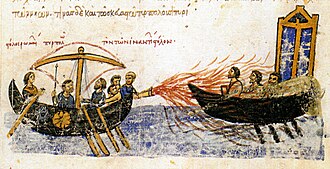
The Arab–Byzantine wars or Muslim–Byzantine wars were a series of wars from the 7th to 11th centuries between multiple Arab dynasties and the Byzantine Empire. The Muslim Arab Caliphates conquered large parts of the Christian Byzantine empire and unsuccessfully attacked the Byzantine capital of Constantinople. The frontier between the warring states remained almost static for three centuries of frequent warfare, before the Byzantines were able to recapture some of the lost territory.
Aleppo is a city in Syria, which serves as the capital of the Aleppo Governorate, the most populous governorate of Syria. With an estimated population of 2,098,000 residents as of 2021, it is Syria's largest city by urban area, and was the largest by population until it was surpassed by Damascus, the capital of Syria. Aleppo is also the largest city in Syria's northern governorates and one of the largest cities in the Levant region.
Leo Phokas or Phocas was a prominent Byzantine general who scored a number of successes in the eastern frontier in the mid-10th century alongside his older brother, the Emperor Nikephoros II Phokas. He served as chief minister during his brother's reign, but was dismissed and imprisoned by his successor, John Tzimiskes.
The Battle of Andrassos or Adrassos was fought on 8 November 960 between the Byzantines, led by Leo Phokas the Younger, and the forces of the Hamdanid Emirate of Aleppo under the emir Sayf al-Dawla. It was fought in an unidentified mountain pass in the Taurus Mountains.
The Hamdanid dynasty was a Shia Muslim Arab dynasty that ruled modern day Northern Mesopotamia and Syria (890–1004). They descended from the ancient Banu Taghlib tribe of Mesopotamia and Arabia.