The peerage and clergy restrict the authority of English kings with the Ordinances of 1311.
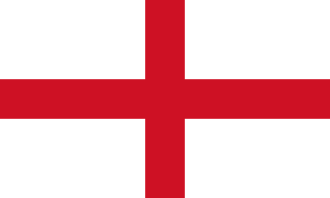
England
England is a country that is part of the United Kingdom. It is located on the island of Great Britain, of which it covers about 62%, and more than 100 smaller adjacent islands. England shares a land border with Scotland to the north and another land border with Wales to the west, and is otherwise surrounded by the North Sea to the east, the English Channel to the south, the Celtic Sea to the south-west, and the Irish Sea to the west. Continental Europe lies to the south-east, and Ireland to the west. At the 2021 census, the population was 56,490,048. London is both the largest city and the capital.
Monarchy of the United Kingdom
The monarchy of the United Kingdom, commonly referred to as the British monarchy, is the form of government used by the United Kingdom by which a hereditary monarch reigns as the head of state, with their powers regulated by the British constitution. The term may also refer to the role of the royal family within the UK's broader political structure. The monarch since 8 September 2022 is King Charles III, who ascended the throne on the death of Queen Elizabeth II, his mother.
Ordinances of 1311
The Ordinances of 1311 were a series of regulations imposed upon King Edward II by the peerage and clergy of the Kingdom of England to restrict the power of the English monarch. The twenty-one signatories of the Ordinances are referred to as the Lords Ordainers, or simply the Ordainers. English setbacks in the Scottish war, combined with perceived extortionate royal fiscal policies, set the background for the writing of the Ordinances in which the administrative prerogatives of the king were largely appropriated by a baronial council. The Ordinances reflect the Provisions of Oxford and the Provisions of Westminster from the late 1250s, but unlike the Provisions, the Ordinances featured a new concern with fiscal reform, specifically redirecting revenues from the king's household to the exchequer.