Arab–Byzantine wars: Antioch surrenders to the Rashidun Caliphate after the Battle of the Iron Bridge.
Arab–Byzantine wars
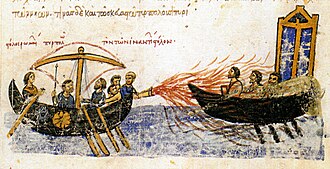
The Arab–Byzantine wars or Muslim–Byzantine wars were a series of wars from the 7th to 11th centuries between multiple Arab dynasties and the Byzantine Empire. The Muslim Arab Caliphates conquered large parts of the Christian Byzantine empire and unsuccessfully attacked the Byzantine capital of Constantinople. The frontier between the warring states remained almost static for three centuries of frequent warfare, before the Byzantines were able to recapture some of the lost territory.
Antioch
Antioch on the Orontes was a Hellenistic Greek city founded by Seleucus I Nicator in 300 BC. One of the most important Greek cities of the Hellenistic period, it served as the capital of the Seleucid Empire and later as regional capital to both the Roman and Byzantine Empire. During the Crusades, Antioch served as the capital of the Principality of Antioch, one of four Crusader states that were founded in the Levant. Its inhabitants were known as Antiochenes. The remains of the ancient city of Antioch are mostly buried beneath alluvial deposits from the Orontes River. The modern city of Antakya, in Hatay Province of Turkey, lies in its place.
Rashidun Caliphate
The Rashidun Caliphate is a title given for the reigns of the first caliphs (lit. "successors") — Abu Bakr, Umar, Uthman, and Ali collectively — believed to represent the perfect Islam and governance who led the Muslim community and polity from the death of the Islamic prophet Muhammad, to the establishment of the Umayyad Caliphate. The reign of these four caliphs is considered in Islam to have been "rightly-guided", meaning that it constitutes a model to be followed and emulated from a religious point of view. This term is not used by Shia Muslims which make 5 to 7℅ of total muslims population, who reject the rule of the first three caliphs as illegitimate.
Battle of the Iron Bridge
The Battle of the Iron Bridge was fought between the Muslim Rashidun army and the Byzantine army in 637 AD. The battle which ended in Muslim victory took its name from a nearby nine-arch stone bridge spanning the Orontes River which had gates trimmed with iron. It was one of the last battles fought between the Byzantines and Rashidun Caliphate in the province of Syria. The aftermath of the battle marked the nearly complete annexation of the province into the Rashidun Caliphate with the fall of its capital, Antioch.